
Massachusetts changed the rules on accessory dwelling units (ADUs) in 2025, and interest has taken off since — homeowners want to know what an ADU actually costs and whether they even need a special permit anymore. Here's a straight answer on both, based on real 2026 numbers.
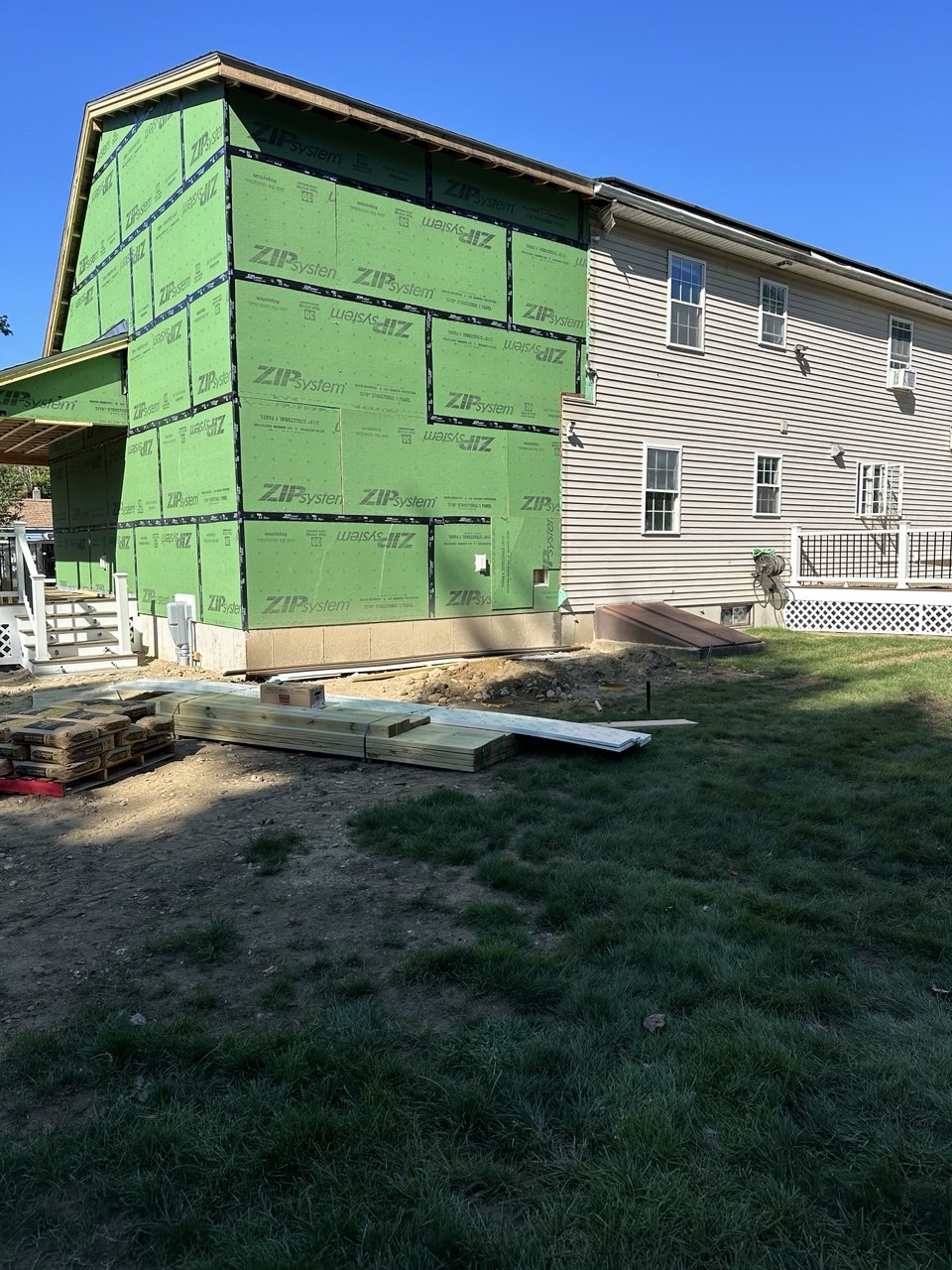
The Short Answer
- Basement or garage conversion ADU: $40,000 – $90,000
- Attached ADU (addition or above garage): $100,000 – $180,000
- Detached, new-construction ADU: $150,000 – $300,000+
ADU Costs in Massachusetts by Type
The single biggest cost driver for an ADU isn't size — it's whether you're converting existing space or building new. Here's what each type typically runs:
| ADU type | What's involved | Typical cost |
|---|---|---|
| Basement / garage conversion | Uses existing structure and foundation; adds kitchen, bath, egress window, insulation, utilities | $40k – $90k |
| Attached addition / above-garage | New framing tied into the existing house or garage, full kitchen and bath, separate entrance | $100k – $180k |
| Detached new construction | Standalone structure with its own foundation, roof, utilities and full kitchen/bath | $150k – $300k+ |
What Massachusetts' New ADU Law Actually Changed
Since February 2025, Massachusetts allows ADUs by right in most single-family zoning districts statewide, under the Affordable Homes Act. In practice, that means:
- Most towns can no longer require a special permit, variance, or public hearing just to build one ADU per lot.
- ADUs up to 900 square feet (or up to half the primary home's living area, whichever is smaller) generally qualify.
- The old owner-occupancy requirement that many towns used to require is gone at the state level.
- Off-street parking can no longer automatically be required for most ADUs.
What hasn't changed: you still need a standard building permit for the construction itself, and your lot still has to meet basic requirements — septic or sewer capacity, setbacks for detached units, and general building code. Towns can still apply reasonable dimensional and design standards; they just can't use the permitting process to block an ADU outright the way many used to.
5 Things That Drive Your ADU Cost Up or Down
- Conversion vs. new construction. Using an existing basement or garage footprint skips the cost of a new foundation and roof — often the biggest single savings available.
- Kitchen & full bath. A legal ADU needs its own kitchen and bathroom. This means new plumbing, venting and often a new gas or electrical run, which adds up fast in a conversion.
- Utility hookups. Sharing your existing water, sewer/septic and electrical service (with a subpanel) is far cheaper than adding a separate meter or expanding septic capacity.
- Site access. Detached ADUs need equipment access for excavation and foundation work — a tight urban lot costs more to build on than an open suburban yard.
- Finish level. Builder-grade finishes vs. finishes that match a high-end primary home can swing the budget by tens of thousands of dollars.
Thinking about an ADU on your property?
We'll walk your property, talk through conversion vs. new build, and give you a clear, honest estimate for your specific lot — for free.
Request Your Free On-Site EstimateWhy Homeowners Are Building ADUs Right Now
The two most common reasons we hear: housing a family member (aging parents, adult children) without adding a mortgage payment, and generating rental income to offset the cost of homeownership in an expensive market. With by-right approval now the norm across Massachusetts, the biggest remaining hurdle for most homeowners isn't zoning — it's budgeting and finding a contractor who's done the work before.
Frequently Asked Questions
Do I need a special permit to build an ADU in Massachusetts?
In most single-family zoning districts, no — since February 2025, one ADU per lot is generally allowed by right, without a special permit or variance. You'll still need a standard building permit for construction, and your town can apply reasonable dimensional standards.
How big can an ADU be in Massachusetts?
Generally up to 900 square feet, or up to half the gross floor area of the primary home, whichever is smaller. Local zoning may allow more in some towns.
Can I rent out an ADU in Massachusetts?
Yes. The statewide law removed the owner-occupancy requirement many towns previously imposed, so in most cases you can rent an ADU to a tenant, though some local rules may still apply.
How long does it take to build an ADU?
A basement or garage conversion typically takes 2–4 months. An attached addition or detached new-construction ADU usually takes 4–8 months depending on scope, permitting and material lead times.